


We offer specialized courses and university lectures covering key aspects of polymer mechanics, structural integrity, and recycling. Our training includes industrial-focused programs on the integrity of plastic pipelines, introductory courses on polymer mechanical behavior, and sustainable polymer recycling. Additionally, we teach university courses that provide a solid foundation in polymer properties, failure mechanisms, and experimental methods. Our programs combine theoretical knowledge with practical applications to prepare students and professionals for real-world engineering challenges.
Courses & Lectures on Polymer Mechanics and Engineering
Courses
Structural integrity of plastic pipes
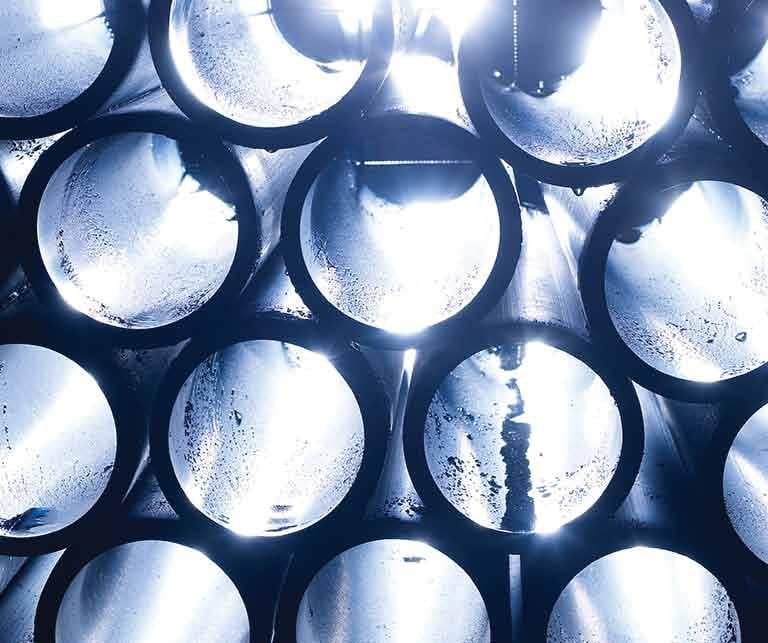
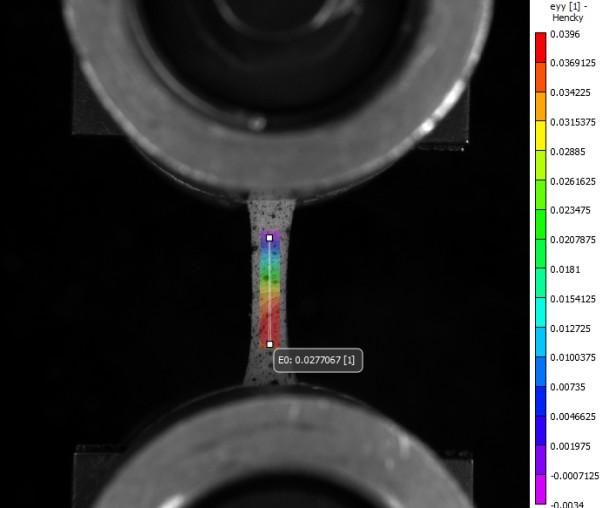
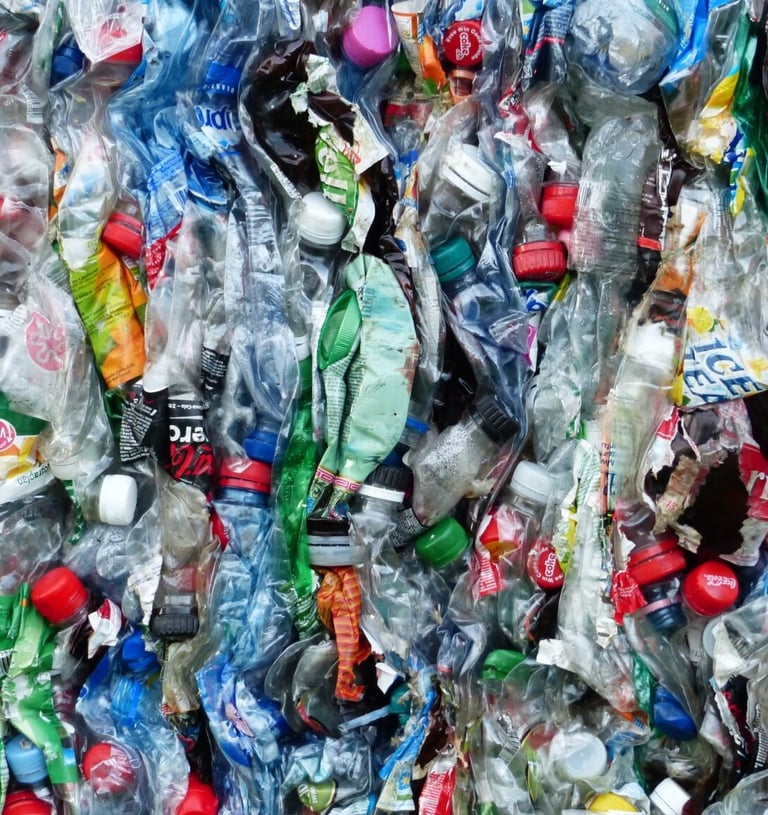
This course provides an in-depth look at the mechanical behavior of polymers, failure mechanisms in plastic pipelines for gas, oil, and water, and international testing standards. Designed for industry professionals, it covers key aspects of integrity assessment and failure prevention.
Introduction to mechanical behavior of polymers
This course covers the fundamental mechanical properties of polymers, their deformation and failure mechanisms, and how their behavior differs from traditional materials. Through theoretical and practical insights, participants will explore viscoelasticity, fracture mechanics, and testing methods relevant to engineering applications.
Introduction to polymers recycling
Learn the fundamentals of polymer recycling, from material classification and processing techniques to challenges and sustainability strategies. This course provides an overview of mechanical recycling methods and international regulations shaping the future of recycled plastics.
University Teaching
Structural properties of polymers, composites and ceramics.
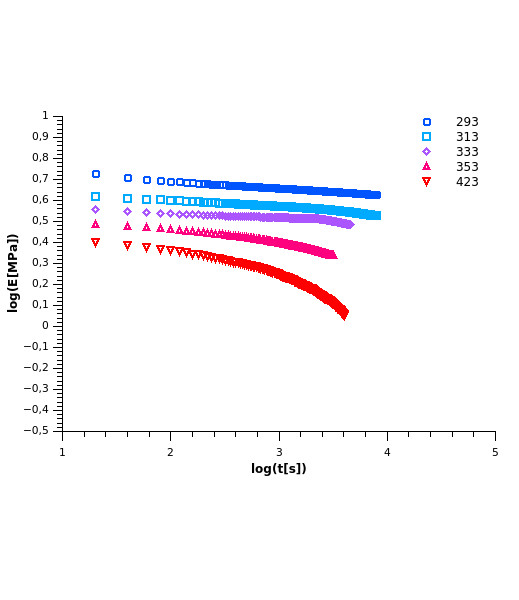
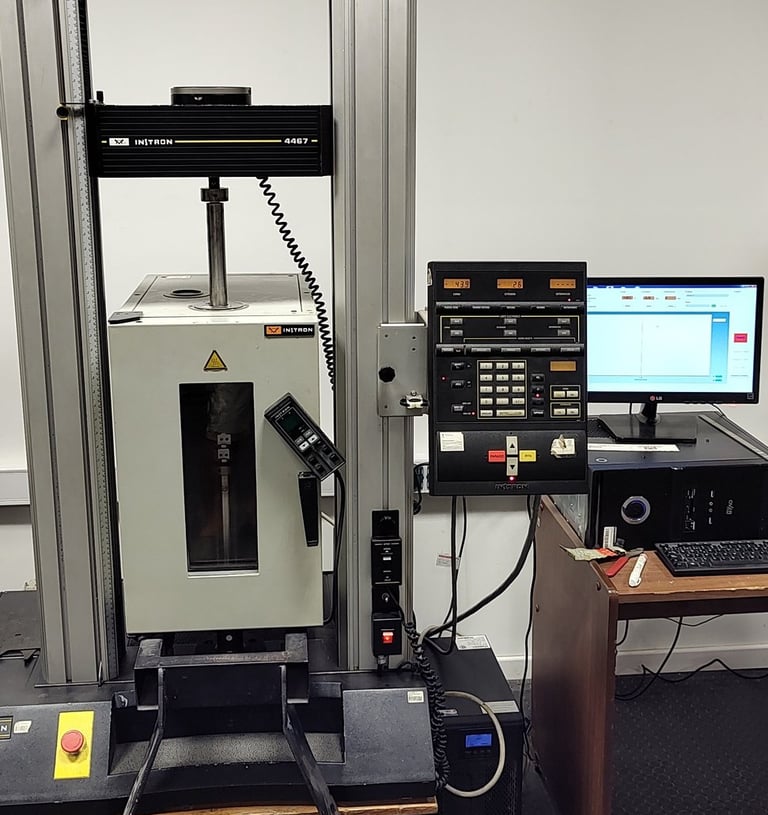
This course explores the mechanical behavior of polymers, composites, and ceramics, emphasizing their structural applications in engineering. Topics include viscoelasticity, fracture mechanics, failure criteria, and constitutive modeling for non-linear materials. The course integrates theoretical concepts with practical applications through problem-solving sessions, laboratory work, and computational tools like Python for material modeling. Students will gain the skills to analyze and design with these advanced materials, addressing challenges in industries such as aerospace, automotive, and energy distribution.
Acquisition and Analysis of Experimental Data
This course covers the complete process of experimental data acquisition, focusing on instrumentation, measurement techniques, and control systems used in materials science. Students gain hands-on experience with the selection and use of equipment for data collection, as well as methods for analyzing and interpreting results. Topics include error analysis, signal processing, and the application of control systems to ensure reliable, accurate experiments. This course is essential for students aiming to conduct precise experimental research and develop a deep understanding of material behavior.